
Best budget portable chargers for camping are the ones that match your real power needs, survive rough handling, and don’t waste money on gimmicks you won’t use at camp. If you’ve ever watched your phone hit 3% right when you need a map, weather update, or headlamp app, you already know why this matters.
Camping power is tricky because the “cheap” option can turn expensive fast, a weak power bank means missed photos, a dead GPS, or a long drive back with no signal. At the same time, plenty of campers overspend on huge capacities they never finish, or buy “solar” banks that barely recharge in real conditions.
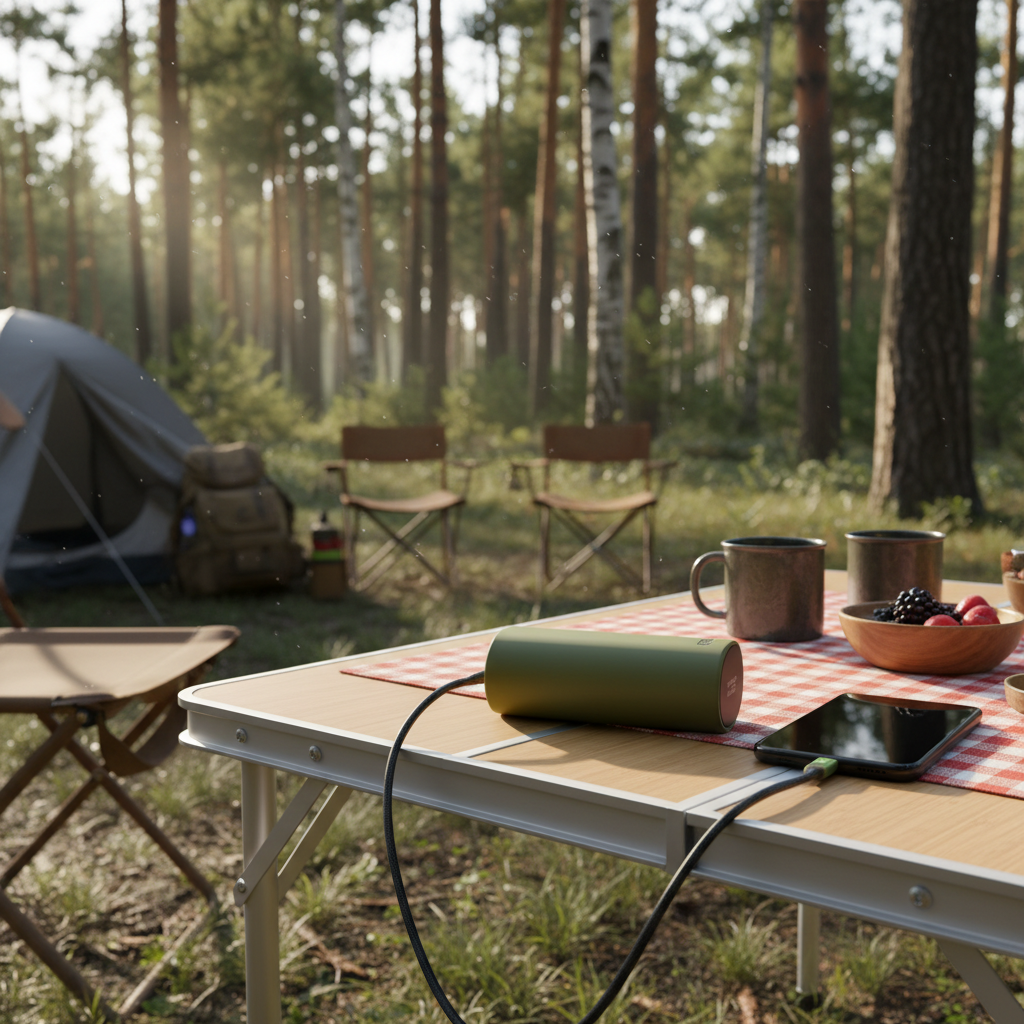
This guide keeps it practical, how to choose capacity, what features actually matter outdoors, a simple comparison table, and a few buying “profiles” so you can pick quickly without overthinking it.
What “budget” should mean for camping power
For camping, “budget” usually means you’re paying for the battery cells and basic safety, not fancy screens or marketing claims. In many cases, a solid mid-capacity power bank from a known brand beats an ultra-cheap high-capacity listing with unclear specs.
Also, camping use is different from daily commuting, you may charge fewer devices, but you’re often farther from a wall outlet, and you may rely on that battery for safety tasks like navigation or emergency communication.
- Budget goal: dependable output and honest capacity, with enough speed to charge before bedtime.
- Camping goal: predictable run-time, durable build, and easy-to-use ports in the dark.
Quick self-check: how much power do you actually need?
Before shopping for the best budget portable chargers for camping, do a fast inventory. Most people guess high, then carry an unnecessary brick all weekend.
Step 1: list what you’ll charge
- Phone (iPhone/Android)
- Headlamp, flashlight, or lantern (USB-rechargeable)
- Watch, earbuds, inReach/PLB, small camera, vape, etc.
Step 2: choose a simple capacity target
- 10,000 mAh: short trips, light use, “just in case” power
- 20,000 mAh: most weekend camping, phone + a couple small gadgets
- 26,800–30,000 mAh: multi-day, group sharing, colder temps, heavier use
Real-world output is lower than the number on the box because of voltage conversion and efficiency. For planning, it’s safer to assume you’ll get “most” of the rated capacity, not all of it, especially in cold weather.
Key specs that matter outdoors (and which ones don’t)
Camping is where spec-sheet shortcuts show up. If you’re comparing budget options, focus on these few items and you’ll avoid most regret purchases.
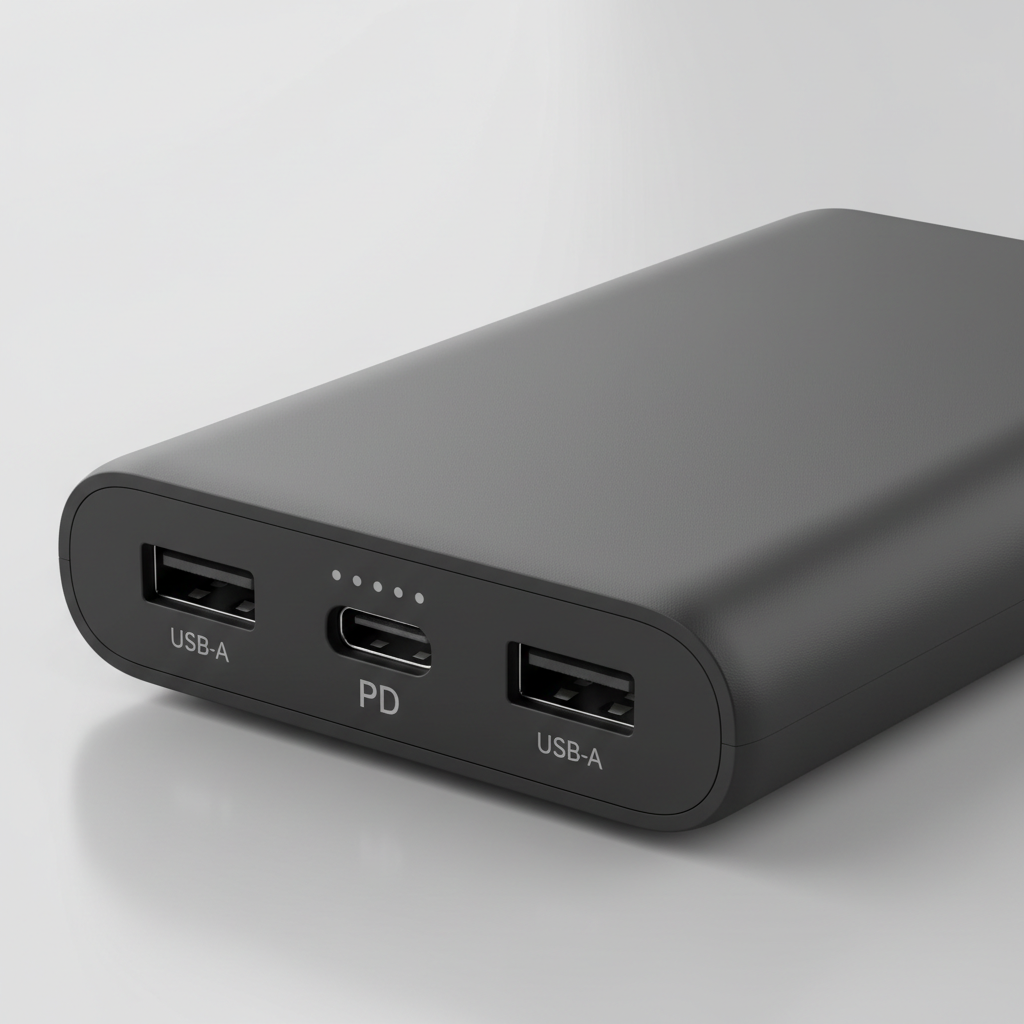
1) USB-C PD (Power Delivery) beats “fast charge” labels
If your phone supports USB-C fast charging, look for USB-C PD output. The label “fast charge” by itself can mean a lot of different things.
- Good sign: “USB-C PD 18W/20W” for phones, higher wattage if you need it
- Reality check: higher watts only help if your device can accept it
2) Port mix: one USB-C + one USB-A is a practical baseline
For most campers, two ports cover the common situation, phone plus headlamp. More ports can help for families, but it also increases size and cost.
3) Pass-through charging is nice, but not a must
Pass-through means the bank can charge devices while it’s being charged. This can be handy at a campground outlet, but on a strict budget, prioritize capacity and PD first.
4) Built-in cables and flashlights: occasionally useful, often fluff
Built-in cables reduce clutter, but they can be a failure point. Built-in flashlights vary a lot, some are fine for rummaging in a tent, few replace a real headlamp.
5) Safety basics you should not compromise on
Cheap power banks can be safe, but skip anything that feels like a mystery brand with vague certifications. According to the U.S. Consumer Product Safety Commission (CPSC), lithium-ion batteries can pose fire risks if damaged, improperly manufactured, or misused, so buy from brands with clear safety documentation and handle them carefully.
- Look for clear overcharge/overcurrent/temperature protections listed
- Avoid swollen, cracked, or overheating units, replace if suspicious
- Use quality cables, frayed cords cause heat and charging issues
Comparison table: budget picks by camping scenario
Rather than naming “one winner,” it’s more honest to match a charger type to how you camp. Prices change constantly, so treat these as categories to shop within.
| Camping scenario | Recommended capacity | Must-have features | Nice-to-have | What to avoid |
|---|---|---|---|---|
| Overnight / emergency backup | 10,000 mAh | USB-C input, 1–2 ports | Small size, grippy shell | Fake “30,000 mAh” claims |
| Weekend car camping | 20,000 mAh | USB-C PD (18–20W), 2 ports | Trickle/low-power mode | Solar panels glued to a bank |
| Cold weather / shoulder season | 20,000–30,000 mAh | PD, sturdy casing | Keep-warm storage pouch | Leaving bank in freezing car |
| Group trip, shared charging | 26,800–30,000 mAh | Multiple outputs, decent total wattage | Percentage display | Too many ports with low power |
| Backpacking (weight matters) | 10,000–20,000 mAh | Lightweight, reliable brand | USB-C to USB-C cable | Heavy “rugged” bricks |
How to shop smart: a short buying checklist
If you’re scanning product pages trying to spot the best budget portable chargers for camping, these checks save time. A lot of disappointment comes from one missing detail, like slow input charging or no PD output.
- Capacity: choose 10k, 20k, or ~30k based on trip length and devices
- Input speed: USB-C input helps you refill faster at home or at an outlet
- Output speed: USB-C PD for modern phones, at least one USB-A for older gear
- Weight: if you hike with it, check ounces, not just mAh
- Cable plan: pack one short USB-C cable, plus whatever your devices need
- Return policy: budget gear varies, easy returns matter
Real-world setup tips: make a cheap charger feel “reliable”
A power bank can be perfectly fine and still fail you if you pack it wrong or charge at the wrong time. These habits are boring, and they work.
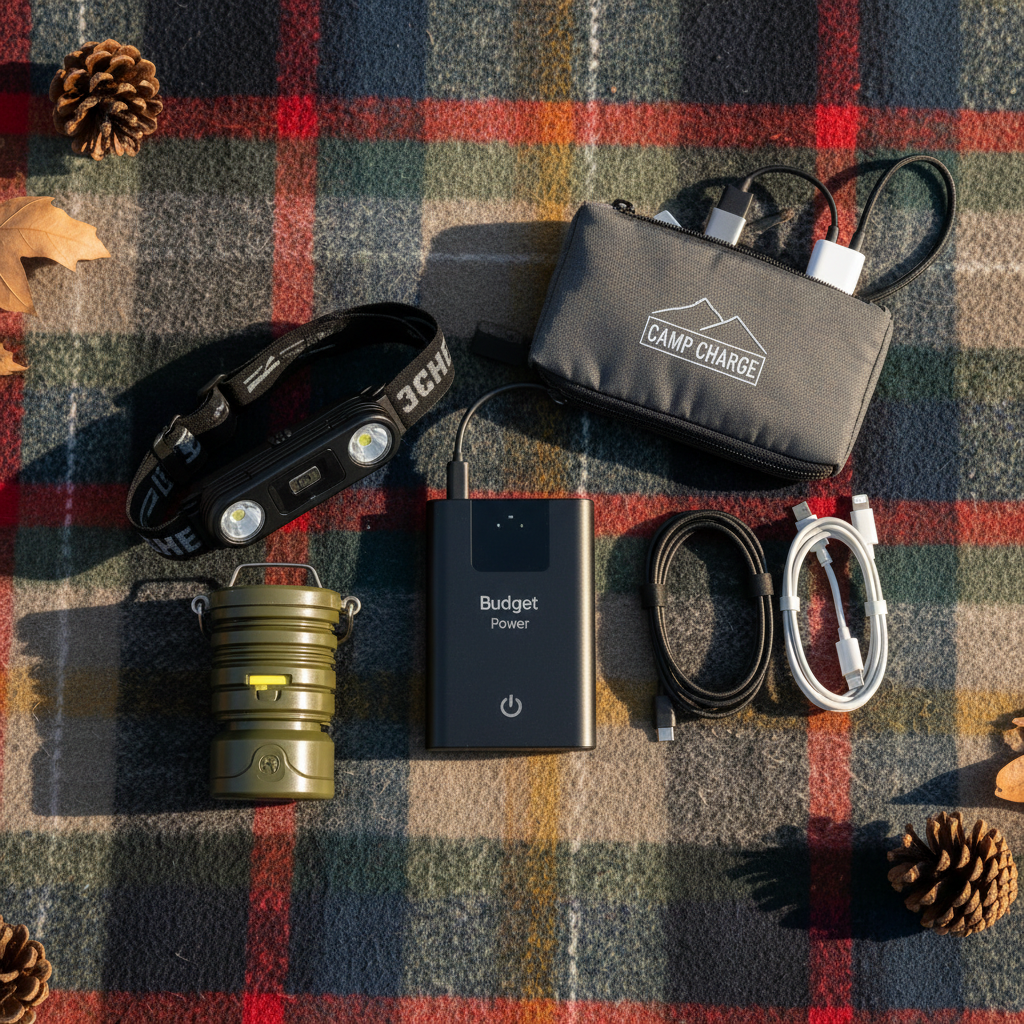
Charge during daylight, not at bedtime. If you wait until everyone crawls into sleeping bags, you’ll fight for outlets, cables, and attention. Topping off devices around dinner is calmer and usually faster.
- Keep the power bank in an inside pocket or sleeping bag on cold nights, batteries can deliver less power when chilled
- Use low-power or trickle mode for small devices like earbuds or some headlamps, if your bank supports it
- Turn on airplane mode at night if you’re hunting for signal, phones burn battery fast when the radio keeps searching
If you bring two cheaper banks instead of one huge one, you also gain redundancy. That’s not always cheaper per mAh, but for camping reliability it can be a smart trade.
Common mistakes campers make with budget power banks
These show up again and again, even with decent gear.
- Buying by mAh alone: output watts and port type matter just as much for actual convenience
- Trusting “solar power bank” marketing: small built-in panels often recharge too slowly to matter, a separate folding panel usually performs better if you truly need solar
- Forgetting recharge time: a big bank with slow input can take a long time to refill, which matters if you only get a short outlet window
- Using random old cables: thin or damaged cables cause slow charging and heat
- Storing loose in a gear bin: crushed ports and stress on cables is a quiet killer
When to consider a different solution (not just a bigger power bank)
Sometimes the best budget portable chargers for camping still won’t cover your use case, and that’s not your fault, it’s the math.
- You need laptop power: look at higher-watt USB-C PD banks or a small power station, price climbs quickly
- You camp for many days off-grid: consider a folding solar panel plus a PD bank, or a compact power station for car camping
- You rely on medical devices: talk with a qualified professional about backup power planning, don’t improvise with unknown gear
- Your bank gets hot, swells, or smells: stop using it and follow local guidance for battery disposal, if you’re unsure, ask your local waste facility
Key takeaways (so you can choose fast)
- 10,000 mAh covers light trips, 20,000 mAh covers most weekends, ~30,000 mAh covers multi-day or sharing
- Prioritize USB-C PD and a sensible port mix over flashy extras
- Assume real capacity is lower than the box number, especially in the cold
- A simple charging routine beats buying a bigger bank you won’t carry
Conclusion: a budget charger can be a great camping upgrade
If your goal is fewer low-battery moments, you don’t need premium gear, you need the right size, the right ports, and a plan for cold and cable chaos. Pick a realistic capacity, make sure USB-C PD is present if your phone benefits, then test your setup at home once so your first “trial run” is not at a trailhead.
If you want one action step, choose your capacity tier today, then build a tiny charging kit with one good cable and a pouch. That’s usually where camping power stops feeling stressful.
FAQ
What capacity power bank is enough for a 2-night camping trip?
For many people, 20,000 mAh is a comfortable middle ground for two nights, especially if you only charge a phone and one or two small items. If you take lots of photos, stream music, or share with others, moving toward 26,800–30,000 mAh can reduce anxiety.
Are “solar power banks” worth it for camping?
Usually, the all-in-one banks with a tiny panel recharge very slowly in real outdoor use, even in good sun. If you truly need solar, a separate folding panel paired with a decent PD power bank tends to be more effective, though it costs more and adds bulk.
How do I know if a budget power bank really has 20,000 mAh?
You can’t confirm it perfectly from a listing, but you can avoid obvious red flags, unknown brand with inconsistent specs, unrealistic capacity for the size/weight, and reviews describing early failure or overheating. Buying from a reputable retailer with an easy return policy helps.
Will a power bank work in freezing temperatures?
It will often work, but capacity and output can drop when the battery is cold. Keeping it in an inside pocket or in your sleeping bag overnight usually improves performance, and it also protects the casing from brittleness.
What charging speed should I look for to charge my phone quickly at camp?
Look for USB-C PD output around 18–20W for most phones. Faster options exist, but your device has to support it, and on a budget it’s better to get “reliably fast” than chase the highest watt number.
Is it safe to leave a power bank charging in my tent?
Many campers do, but it’s still lithium-ion equipment, so caution makes sense. Charge on a stable, non-flammable surface when possible, don’t cover it with sleeping bags or clothing, and stop using any unit that gets unusually hot or looks damaged, if you have safety concerns, consider asking a qualified professional for guidance.
Can I bring a 30,000 mAh power bank on a flight for a camping trip?
Airline and TSA rules can depend on watt-hours, not mAh, and limits vary by carrier and battery rating. Check your airline’s current policy and the power bank’s Wh rating before you fly, and keep it in carry-on if allowed.
If you’re trying to pick the best budget portable chargers for camping and want a faster short-list, start with your trip length and devices, then filter for USB-C PD and realistic capacity from a brand you can return easily, it’s the most “budget-friendly” way to avoid buying twice.