
how to fix overheating on android phones usually comes down to three things: stop the heat source (apps, charging, sunlight), lower the workload, and rule out battery or hardware trouble before it gets worse.
If your phone feels hot enough to be uncomfortable, throttles (slows down), or throws temperature warnings, treat it like a real issue, not just an annoyance. Heat can shorten battery life over time, and in rare cases it can become a safety concern.
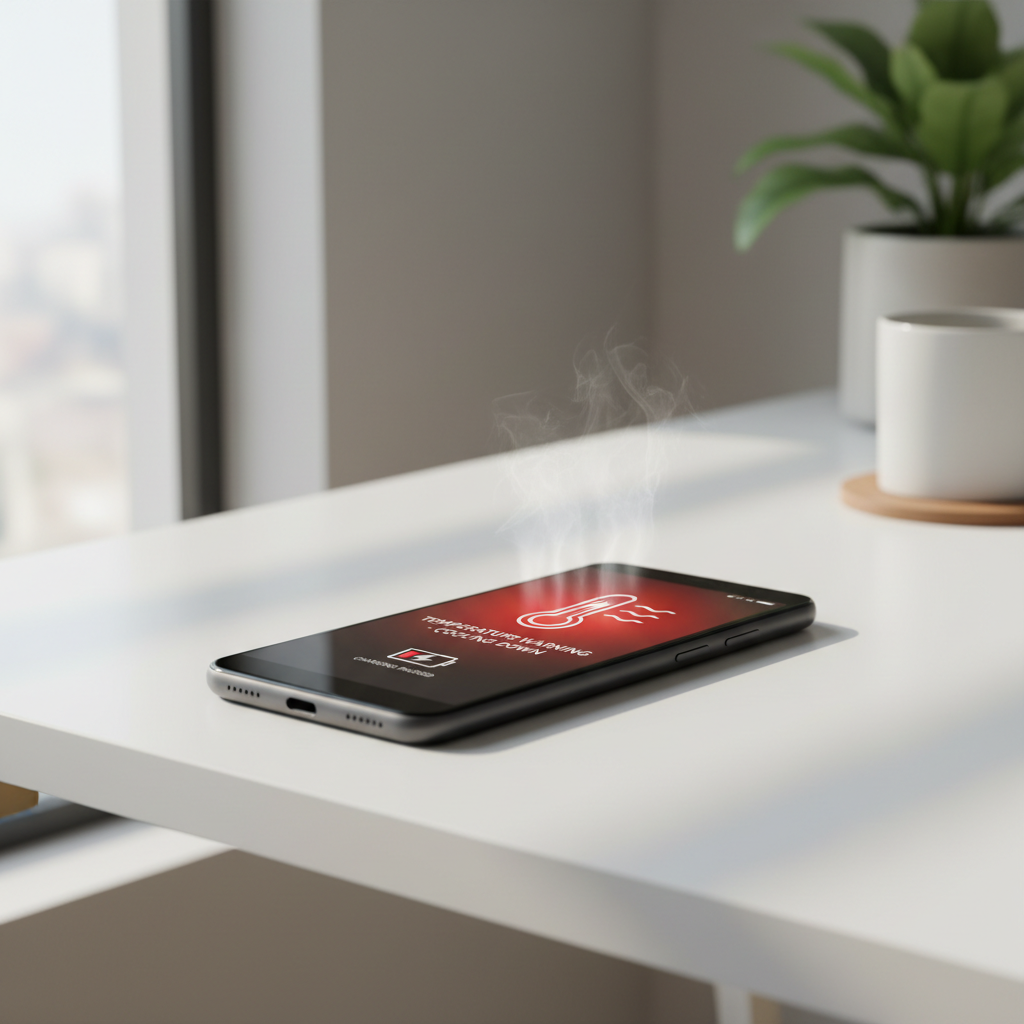
The good news, most overheating episodes are fixable with a few targeted checks. The trick is not doing everything at once, you want to identify what triggers the heat so it does not keep coming back.
Key takeaways: remove the phone from heat, pause fast charging or gaming, check battery and app behavior, then adjust settings and habits so it stays cool.
Quick safety reset: cool it down without making it worse
When a phone is genuinely hot, your first goal is to cool it safely. Some “fast fixes” people try can actually stress the device.
- Move to a cooler spot and take it out of direct sun, a car dashboard is a classic culprit.
- Stop charging for 10–20 minutes, charging adds heat even when nothing looks wrong.
- Close heavy apps like camera, TikTok/Instagram, games, navigation, video calls.
- Remove thick cases temporarily, especially silicone or rugged cases that trap heat.
- Turn on Airplane Mode if you suspect weak signal heat (more on that later).
Avoid the freezer, ice packs, or blowing super-cold air directly into ports. Rapid temperature change can cause condensation, and moisture plus electronics is a bad combination.
Where the heat usually comes from (real-world causes)
Overheating is not one problem, it is multiple patterns that feel similar. Pinning down the pattern is how you get a lasting fix.
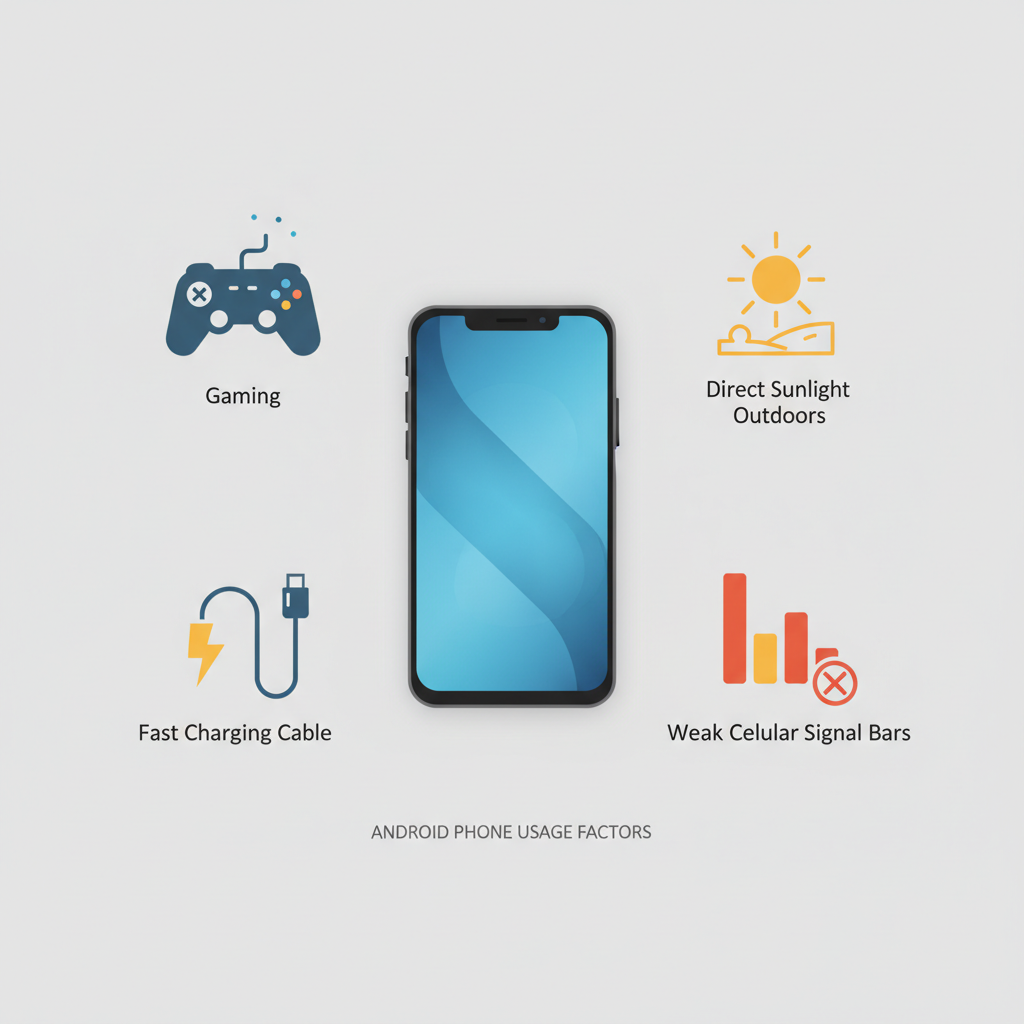
- High CPU/GPU load: gaming, video editing, AI photo tools, long camera sessions, 4K recording.
- Charging heat: fast charging, wireless charging, charging while streaming or gaming.
- Background activity: a misbehaving app syncing nonstop, stuck uploads, buggy updates.
- Network strain: weak 5G/LTE or spotty Wi‑Fi makes the radio work harder.
- Environment: direct sun, hot rooms, leaving the phone in a car.
- Battery aging or damage: older batteries can run warmer under normal load.
According to Apple Support, iPhones can limit features or display warnings when internal temperature rises; Android devices behave similarly with performance throttling and temperature alerts. The point is, the phone is not “being dramatic,” it is protecting itself.
Fast self-check: figure out which situation you are in
If you want a quick diagnosis, use this checklist and circle the first “yes” that matches your experience. It keeps you from chasing random tips.
- Hot mostly while charging? Likely charger/cable/wireless pad, fast charge, or charging + heavy use.
- Hot during gaming/camera/video calls? Mostly workload and screen brightness.
- Hot in your pocket or idle on a table? Usually a background app, poor signal, or battery issue.
- Hot only outside? Sun + high brightness is often enough to trigger warnings.
- Sudden heat after an update? Indexing, app updates, or a new bug can spike usage for a day or two.
Also check your battery and app usage screens. On most Android phones: Settings → Battery and Settings → Apps. If one app sits at the top when you barely used it, that is a strong lead.
Fix overheating by scenario (do the minimum that works)
Below are practical, targeted steps. If you’re searching how to fix overheating on android phones because it feels random, start with the scenario that matches your pattern and test for a day.
If it overheats while charging
- Use the original or certified charger and cable. Cheap cables can run hot and charge inefficiently.
- Avoid wireless charging when you need cooler temps, it typically generates more heat.
- Turn off “fast charging” temporarily (settings vary by brand). Slower charging often runs cooler.
- Charge on a hard surface, not a bed or couch that insulates heat.
- Do not game or stream while charging if overheating is frequent.
If the phone becomes hot very quickly right after plugging in, or you smell anything unusual, stop charging and consider professional inspection.
If it overheats during gaming, camera, or video calls
- Lower screen brightness or enable adaptive brightness, brightness is a sneaky heat driver.
- Reduce game settings (FPS cap, lower graphics) and close overlays or screen recorders.
- Switch off 5G for a test session if your signal is inconsistent, LTE can be steadier in some areas.
- Take short breaks, 2–3 minutes can drop temps enough to avoid throttling.
If it overheats when “doing nothing”
- Restart first, it sounds basic but clears stuck processes.
- Update apps in Google Play, buggy versions commonly cause background loops.
- Check Battery usage for an app that spikes. Force stop it, then uninstall or restrict it.
- Run in Safe Mode (method varies by phone) to see if a third-party app is the trigger.
- Scan for malware with a reputable mobile security app if you see odd ads, installs, or battery drain.
According to Google Play Protect guidance, keeping Play Protect enabled can help detect harmful apps. It will not solve every heating issue, but it is a reasonable baseline when behavior seems suspicious.
Settings that reduce heat without ruining your phone
You do not need to cripple your device, but a few settings reduce thermal load in a noticeable way, especially on older models.
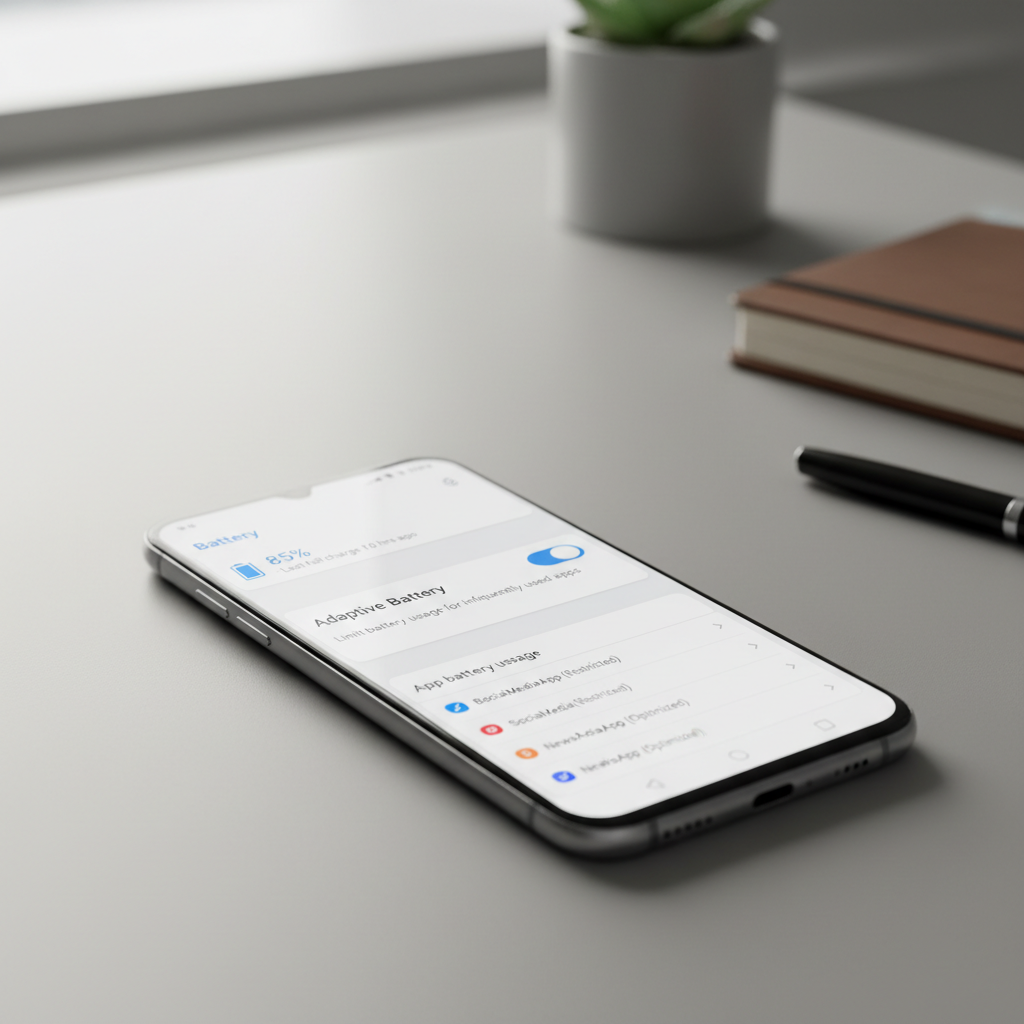
- Enable Adaptive Battery (if available) to limit background drain.
- Restrict background activity for social apps that love to refresh constantly.
- Turn off always-on display if your phone runs warm in idle.
- Limit hotspot use, tethering heats phones faster than most people expect.
- Use Dark Mode on OLED screens, it can reduce power draw in many cases.
One more practical tweak: if your phone supports it, set display refresh rate from 120Hz to 60Hz for a week and see if “warm all day” becomes “warm only sometimes.”
Quick troubleshooting table (symptom → likely cause → what to try)
| What you notice | Likely cause | Try this first |
|---|---|---|
| Hot near camera during recording | CPU + sensor workload, high brightness | Lower brightness, switch from 4K to 1080p, take breaks |
| Hot while charging, especially fast charge | Fast charging heat, poor cable/adapter, charging while using | Pause fast charging, swap cable, charge on hard surface |
| Warm when idle in pocket | Background app loop, poor signal searching | Restart, check battery usage, try Airplane Mode test |
| Heat + big battery drain overnight | Sync loop, rogue app, OS indexing after update | Update apps, restrict background, wait 24–48 hours post-update |
| Very hot + swelling back cover | Battery damage | Stop use/charging, seek professional service |
Common mistakes that keep overheating coming back
People usually fail here because the “fix” feels productive but does not remove the cause.
- Blaming the weather only, while an app is actually stuck uploading in the background.
- Using random “cleaner” apps that run constantly and add more load than they remove.
- Replacing the battery too soon when the real issue is a charger or a single app.
- Ignoring weak signal heat, phones can run hot while hunting for service in basements or elevators.
- Charging under a pillow, it is still common and it is still risky.
If you want how to fix overheating on android phones to stick, pick one change, test it, then keep or revert. Heat problems are much easier to solve when you isolate the trigger.
When you should stop DIY and get help
Some signs point to battery or hardware trouble, and pushing through can be unsafe or expensive.
- Battery swelling, screen lifting, or a new gap in the frame.
- Burning smell, crackling, or discoloration near the port.
- Overheats while idle even after Safe Mode test and app cleanup.
- Repeated temperature warnings during normal tasks like texting.
In those cases, contacting the phone manufacturer, your carrier, or a reputable repair shop is usually the smarter move. If you have any health concerns from heat exposure or burns, it’s reasonable to consult a medical professional.
Practical wrap-up: keep it cool without overthinking it
If your phone overheats occasionally, start simple: get it out of heat, stop charging + heavy use at the same time, then identify the one app, setting, or charging habit that triggers it.
Action plan for the next 24 hours: check battery usage, swap to a known-good charger, and test one session with lower brightness or LTE instead of unstable 5G. That usually answers the “why” faster than any reset.
FAQ
How to fix overheating on android phones without turning it off?
Close heavy apps, lower brightness, and stop charging. If signal is weak, Airplane Mode for a few minutes can drop radio heat quickly without a full shutdown.
Is it normal for Android phones to get hot while charging?
A little warmth is common, especially with fast charging, but it should not be painfully hot or trigger warnings. If it escalates quickly, test a different cable/adapter and avoid charging while gaming.
Why does my Android overheat when I’m not using it?
Most often it is background activity, a syncing loop, or poor signal. Battery usage stats and a Safe Mode test usually clarify whether an app is involved.
Does 5G cause overheating on Android?
5G itself is not “bad,” but in areas with inconsistent coverage, the phone may work harder switching bands. A quick LTE-only test can tell you if your location is a factor.
Will a factory reset fix Android overheating?
Sometimes, especially if software is corrupted, but it is a big step. It makes sense after you rule out obvious causes like chargers, one problematic app, or a recent update spike.
Can a phone case make overheating worse?
Yes, thick cases can trap heat, particularly during charging or gaming. Try removing it during high-load tasks and see if the temperature behavior changes.
What temperature is “too hot” for a phone?
Exact numbers vary by model, but if it shows a temperature warning, becomes too hot to hold, or shuts down features like camera/flash, treat that as too hot and cool it down promptly.
If you’re dealing with frequent heat spikes and want a more predictable fix, it may help to walk through your exact pattern, what apps run, how you charge, and your signal conditions, a short troubleshooting plan often saves more time than trying ten tips at once.