
Best chatgpt prompts for writing are the ones that tell the model what to produce, who it’s for, what to avoid, and what “good” looks like—without turning your request into a novel.
If your outputs feel generic, it’s rarely because ChatGPT “can’t write.” More often, the prompt is missing constraints: audience, format, examples, or the source material the model should respect.
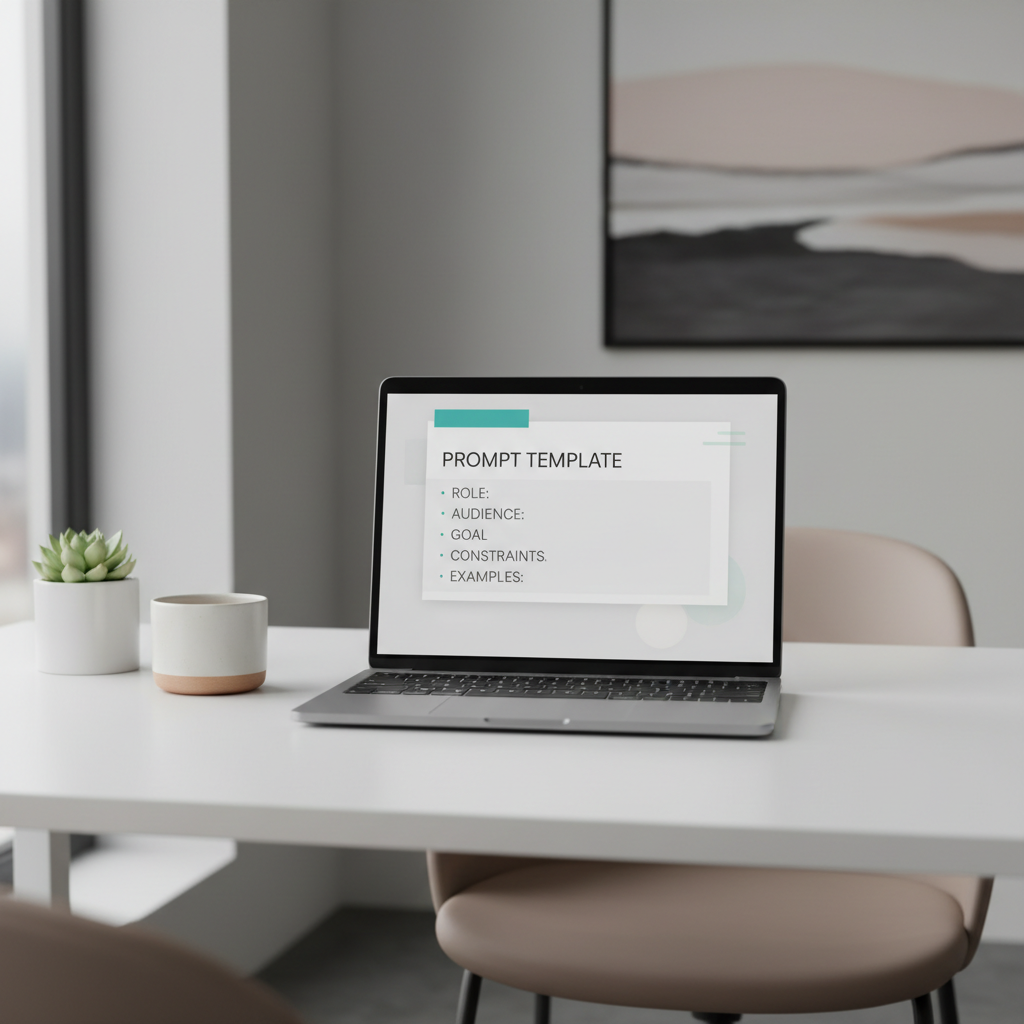
This guide gives you practical prompt templates you can copy, plus a simple workflow to iterate quickly, keep your voice, and reduce the annoying back-and-forth.
What makes a writing prompt “best” (and why most fail)
A strong prompt usually does four jobs: it sets the role, defines the reader, locks the deliverable, and adds quality checks. Weak prompts skip at least two of those, then you end up editing forever.
- Role + stance: “You are a senior copy editor” produces different choices than “You are a creative novelist.”
- Audience + context: US buyer, B2B CTO, high school students, first-time homeowners—tone and vocabulary shift a lot.
- Output format: Word count, headings, bullet lists, subject lines, CTA options, variants.
- Constraints: Must include keywords, must not mention competitors, avoid hype, use AP style, cite sources.
- Inputs to respect: Your outline, notes, interview transcript, brand guidelines.
According to OpenAI, results tend to improve when you provide clear instructions, relevant context, and examples of the desired output—especially for complex writing tasks.
A simple prompt framework you can reuse
When you’re in a rush, use this structure and fill in the brackets. It’s short, but it forces the details that matter.
Copy-and-paste master prompt
Prompt:
You are [role]. Write [deliverable] for [audience]. Goal: [what the reader should think/feel/do]. Use this tone: [tone words].
Requirements: [format, length, reading level, must-include points]. Avoid: [taboos, claims you can’t support, clichés].
Source material to use (do not invent facts): [paste notes/outline].
Quality check: before finalizing, verify [accuracy, structure, voice, compliance]. Provide the final answer only in [format].
Keep the “Source material” line even if it’s just a few bullets. It tells the model what to anchor to, which reduces made-up filler.
Best ChatGPT prompts for writing (by use case)
Below are the best chatgpt prompts for writing I see working across teams because they’re specific, easy to tweak, and not overly rigid. Use them as starting points, then iterate with one clear change at a time.
1) Blog post outline that doesn’t feel like a template
Prompt:
You are a US-based content strategist. Create a blog outline for “{topic}” aimed at {audience}. Include 6–8 H2 sections with natural subtopics, a short intro angle, and 6 FAQ-style long-tail questions. Avoid generic fluff, avoid repeating the title as a heading. Provide a brief note under each H2 explaining what to cover.
2) Full draft from an outline (with guardrails)
Prompt:
Write a {word count} word article from the outline below for {audience}. Keep paragraphs under 4 lines, use occasional bullet lists, and add bold emphasis for key takeaways. Do not invent statistics. If a claim needs a source, phrase it cautiously and suggest verifying. Outline: {paste outline}.
3) Rewrite into a specific voice without sounding forced
Prompt:
Rewrite the text below in a {tone} voice for {audience}. Preserve meaning and factual details, but improve rhythm, clarity, and transitions. Constraints: keep the same length ±10%, keep any numbers unchanged, no hypey language. Text: {paste text}.

4) Stronger openings (hooks) in multiple options
Prompt:
Generate 10 opening paragraphs for an article about {topic}. Audience: {audience}. Each option should use a different hook style (problem, surprising insight, short story, contrarian angle, quick checklist). Keep each opening under 80 words. Avoid clichés.
5) Email sequence that sounds human
Prompt:
Create a 4-email sequence for {offer} targeting {audience}. Each email needs: subject line (5 options), preview text, body under {X} words, one clear CTA, and a PS. Tone: friendly, practical, not salesy. Avoid false urgency and absolute promises. Include light personalization placeholders like {first_name}.
6) Social posts with platform-native formatting
Prompt:
Write 6 LinkedIn posts about {topic} for {audience}. Each post: 120–220 words, strong first line, short paragraphs, one practical takeaway, and a discussion question. Avoid hashtags in the body; provide 5 optional hashtags separately.
7) Story / fiction scene with constraints (so it stays coherent)
Prompt:
Write a {scene length} scene in {genre} featuring {characters}. POV: {POV}. Setting: {setting}. Include: {required beats}. Avoid: {things to avoid}. Keep dialogue natural and limit exposition. End on a small unanswered question.
8) Line edit + clarity pass (more useful than “proofread”)
Prompt:
Act as a meticulous copy editor. Line-edit the text for clarity, concision, and flow while keeping my voice. Then provide a short list of the top 7 changes you made and why. Text: {paste text}.
9) Fact-check and “risk language” pass
Prompt:
Review this draft for statements that sound like facts but lack support. Flag risky claims, overpromises, and anything that might require a citation. Suggest safer rewrites using cautious language (e.g., “often,” “may,” “in many cases”). Draft: {paste draft}.
Quick table: which prompt to use when
If you’re stuck choosing, use this cheat sheet and move on. Momentum matters more than perfect prompt artistry.
| Goal | Use this prompt type | What to provide |
|---|---|---|
| Start faster | Outline generator | Topic, audience, angle, constraints |
| Draft that matches intent | Draft from outline | Outline + word count + must-include points |
| Sound like “you” | Voice rewrite | Sample paragraph of your voice + draft |
| Boost engagement | Multiple hooks | Topic + audience + what you want readers to do |
| Reduce legal/brand risk | Risk language pass | Draft + what claims you cannot make |
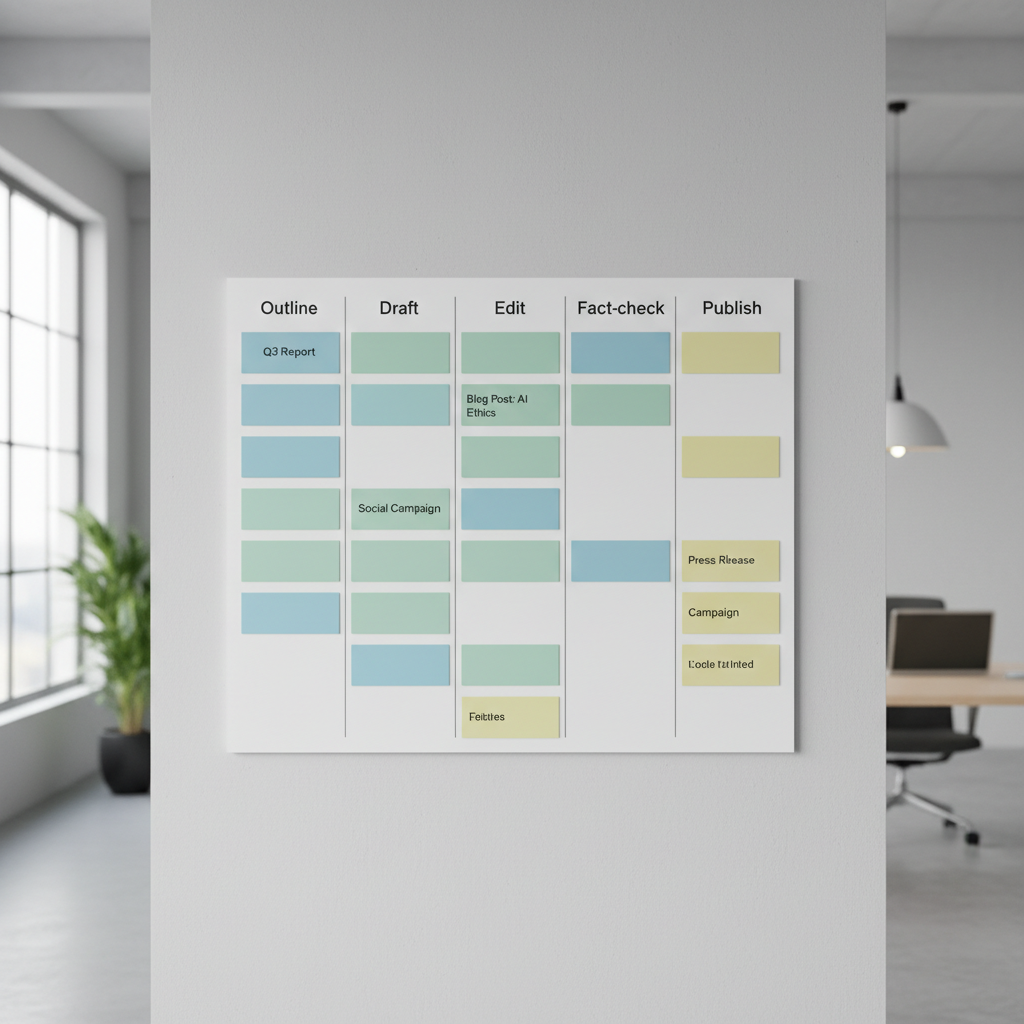
Practical workflow: get better results in 10 minutes
The best chatgpt prompts for writing are only half the game; the other half is how you iterate. This sequence keeps you from spiraling into endless rewrites.
- Step 1: Ask for an outline and choose the angle you actually want.
- Step 2: Generate one section at a time, not the whole article, so you can steer early.
- Step 3: Run a “voice rewrite” pass using a paragraph from your existing work as a reference.
- Step 4: Request a clarity edit and keep only changes that improve meaning.
- Step 5: Do a quick risk check for unsupported claims, then add citations or soften language.
According to Google Search Central, content should be created for people and demonstrate experience and expertise. Prompts that force concrete examples, clear structure, and accurate sourcing tend to align better with that standard.
Common mistakes that make prompts underperform
Most “bad output” is predictable. Fixing these tends to matter more than adding more words to your prompt.
- Vague audience: “Write for everyone” produces writing for no one.
- No definition of done: If you don’t say length, structure, or examples, you’ll get generic defaults.
- Asking for facts without sources: You may get confident-sounding filler; better to require citations or cautious phrasing.
- Too many objectives at once: Blog + landing page + ad copy in one go usually dilutes everything.
- Not providing your raw materials: Notes, product details, positioning, objections, and examples improve specificity.
Key takeaways and next steps
If you want consistently good drafts, treat prompts like creative briefs, not magic spells. The “best” prompt is the one that gives clear constraints and enough context to keep the writing grounded.
- Pick one use case (outline, draft, rewrite, edit) and start there.
- Add constraints that reflect real-world needs: voice, format, what to avoid, and what must be true.
- Iterate in passes (structure, then voice, then clarity, then risk) instead of rewriting everything at once.
If you’re building a repeatable process, save 3–5 templates from this page, then customize them into your own mini “prompt library” for your team.