
how to fix youtube not playing videos usually comes down to a short list of culprits: your internet connection, browser/app glitches, cached data, extensions, or device-level settings that block playback.
If you’re staring at a black screen, endless buffering, or an error like “An error occurred,” you’re not alone, and you typically don’t need a complicated teardown to get YouTube working again. The trick is doing the right checks in the right order, so you don’t waste time toggling random settings.
This guide walks through quick fixes first, then deeper troubleshooting for browsers, phones, smart TVs, and network gear. You’ll also get a simple table to match symptoms to likely causes, plus a checklist to help you stop the issue from coming back.
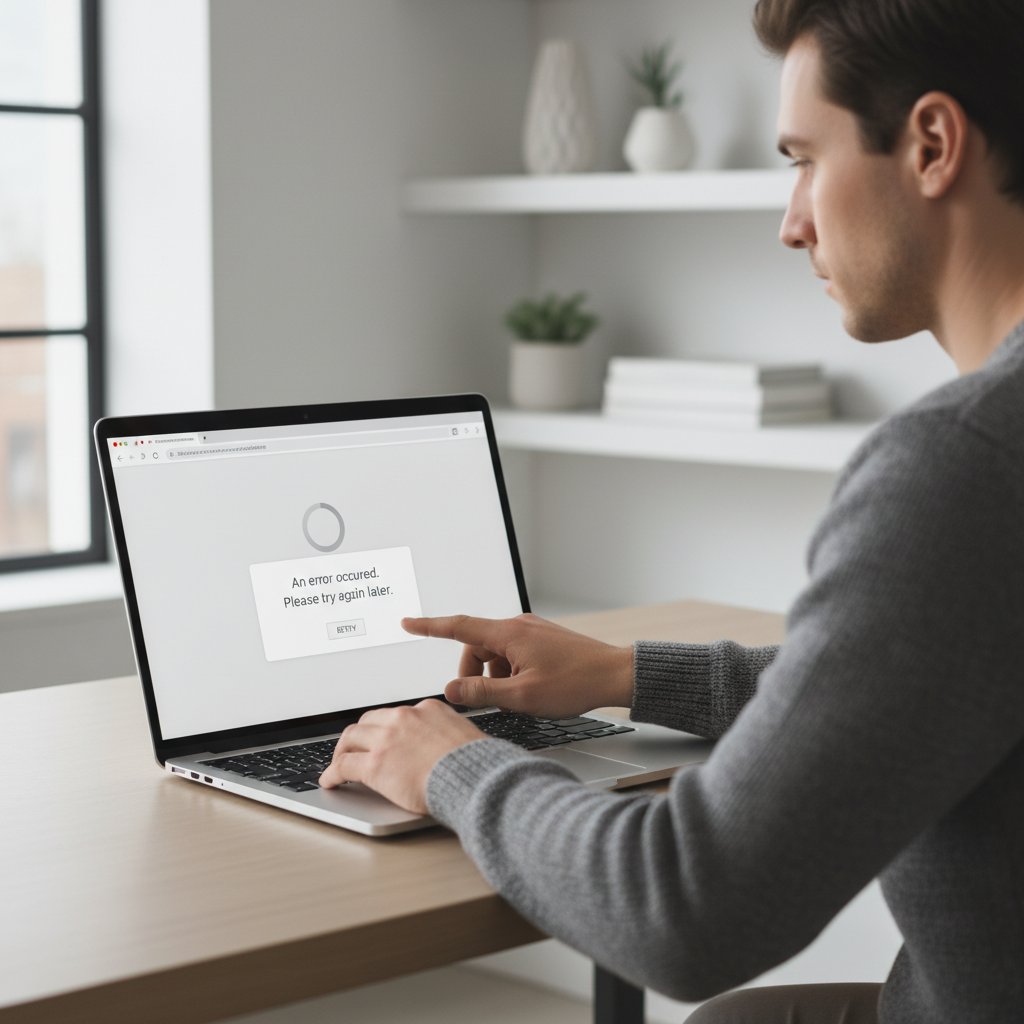
Quick triage: match the symptom to the likely cause
Before you change a bunch of settings, identify what you’re seeing. The same “not playing” complaint can mean very different things.
| What you see | Common causes | Fastest first move |
|---|---|---|
| Black screen, audio maybe plays | Hardware acceleration issue, extension conflict, GPU driver | Toggle hardware acceleration, try Incognito/Private |
| Endless buffering | Weak Wi‑Fi, VPN/proxy, network congestion, DNS issues | Test speed, switch networks, reboot router |
| “An error occurred” / playback error | Corrupt cache/cookies, outdated app/browser, blocked scripts | Clear site data for YouTube, update app/browser |
| Video plays in app but not browser (or vice versa) | Browser extensions, device permissions, app cache | Disable extensions, clear app cache |
| Only one video/channel won’t play | Age-restricted content, region limits, account restrictions | Check account, try signed out, confirm restrictions |
Start here: the 7 fastest fixes that solve most cases
These are the moves that tend to resolve the majority of “YouTube not playing” situations without digging deeper.
- Refresh the page or restart the app and try the same video again.
- Try another video to confirm whether it’s a single upload or all playback.
- Check YouTube status. According to Google, service outages can affect playback and sign-in behaviors; if there’s a widespread incident, local troubleshooting won’t help much.
- Switch networks (Wi‑Fi to cellular hotspot, or vice versa) to isolate whether your home network is the issue.
- Turn off VPN/proxy temporarily. Some endpoints get rate-limited or block video segments.
- Restart your device (yes, still useful), especially on smart TVs and streaming sticks.
- Update the browser/app. Outdated builds can break video playback modules.
Key takeaway: if YouTube starts working after a network switch, focus on router/DNS/Wi‑Fi. If it works in Incognito but not normal mode, focus on extensions and stored site data.
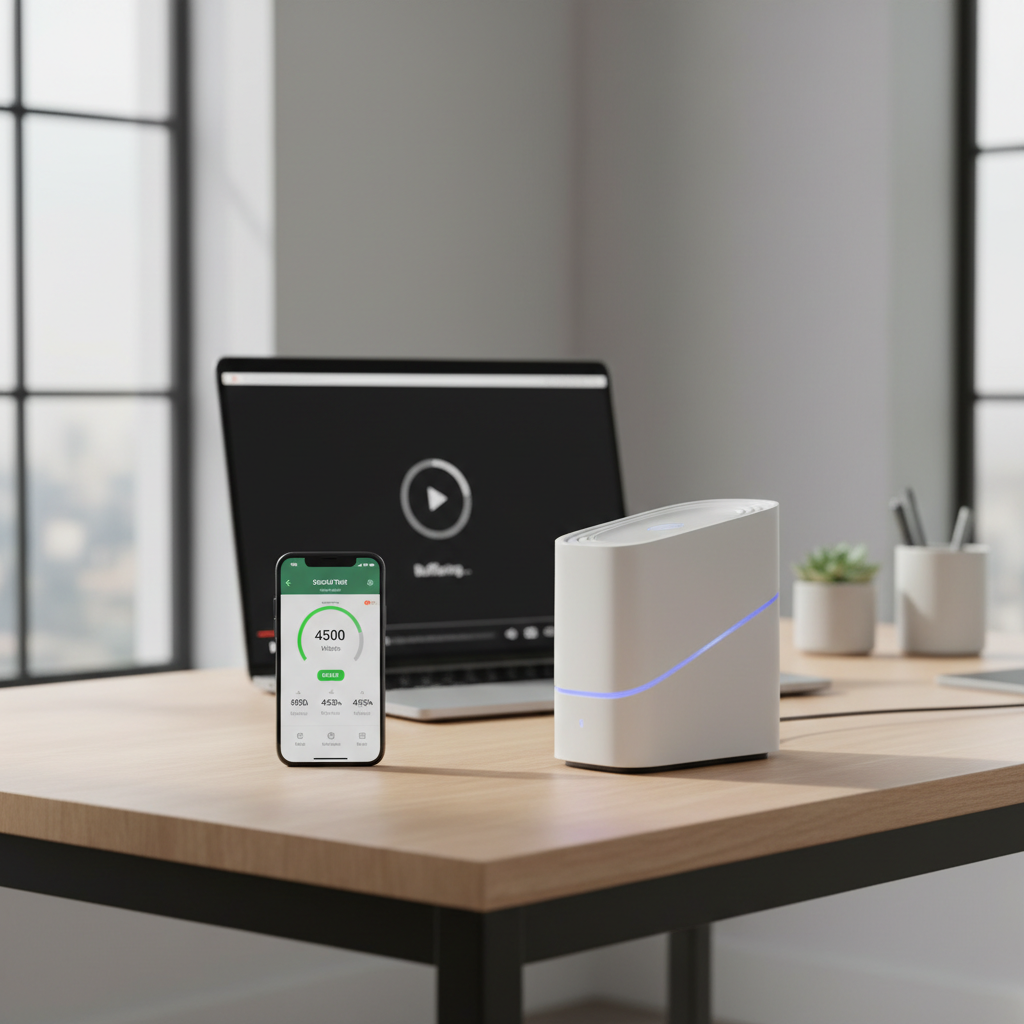
Browser fixes (Chrome, Firefox, Edge, Safari)
If you’re searching how to fix youtube not playing videos on a computer, the browser is often the real problem. YouTube relies on scripts, cookies, and video decoding paths that extensions and settings can interrupt.
1) Try Private/Incognito mode
This quickly tells you whether cookies, cache, or extensions cause the failure. If videos play fine in Private/Incognito, you’re not dealing with your network or YouTube itself, you’re dealing with browser state.
2) Disable extensions (especially ad blockers and script blockers)
Ad blockers can be fine for years, then a rule update breaks playback overnight. Temporarily disable all extensions, test YouTube, then re-enable one at a time.
- Start with ad blockers, privacy blockers, antivirus web shields, and video downloaders
- Also watch for “force HTTPS” or DNS-related extensions
3) Clear YouTube site data (not your entire history)
Clearing only YouTube cookies/cache is less disruptive than wiping everything. Remove stored site data for youtube.com and googlevideo.com, then sign in again.
4) Toggle hardware acceleration
Black screen or stuttering can happen when the GPU decoding path misbehaves. Flip the setting, restart the browser, retest.
- Chrome/Edge: Settings → System → “Use hardware acceleration”
- Firefox: Settings → Performance
5) Check DRM and protected content settings (Safari/Firefox)
Some playback relies on DRM modules. If protected content is blocked, certain videos may fail silently. According to Apple, Safari media playback can be affected by website settings and content restrictions, so it’s worth checking those per-site controls.
Phone & tablet fixes (iPhone/iPad, Android)
On mobile, issues often come from the app cache, low storage, OS-level restrictions, or a weird network handoff between Wi‑Fi and cellular.
Do these in order
- Force close YouTube, then reopen.
- Update the YouTube app and your OS (iOS/Android).
- Check storage. Low storage can cause apps to fail to cache segments.
- Reset network settings if nothing else works, especially after VPN use (this can remove saved Wi‑Fi passwords).
Android-specific: clear cache (and optionally data)
Clearing cache is low risk. Clearing data logs you out and resets app preferences, but it can fix persistent playback errors.
- Settings → Apps → YouTube → Storage → Clear cache
- If needed: Clear storage/data (expect sign-in again)
iPhone/iPad-specific: offload or reinstall
iOS doesn’t expose a simple “clear cache” for many apps. Offload or reinstall typically achieves the same reset.
- Settings → General → iPhone Storage → YouTube → Offload App
- If still broken: Delete App → reinstall
Smart TV, Roku, Fire TV, Apple TV: when the living room breaks
TV platforms are more sensitive to memory pressure, outdated app builds, and flaky Wi‑Fi. If your TV says YouTube won’t play videos but phones work fine, treat it as an app-device problem first.
- Power cycle properly: unplug the TV/streaming device for 30–60 seconds, then restart.
- Update YouTube and the device firmware.
- Sign out/in if the app loads but refuses to start playback.
- Reinstall YouTube if playback errors persist across multiple videos.
- Switch to Ethernet if possible, even temporarily, to confirm Wi‑Fi instability.

Network fixes: buffering, throttling, and DNS headaches
If how to fix youtube not playing videos keeps bringing you back to buffering, start assuming the network path is unstable until proven otherwise. Lots of “video won’t load” complaints are really packet loss or DNS resolution problems.
Run a quick network check
- Test another streaming service to compare (Netflix, Hulu, etc.).
- Try YouTube on a different device on the same Wi‑Fi.
- Move closer to the router or switch from 2.4 GHz to 5 GHz.
Reboot your router/modem (in the right order)
Power off modem and router, wait 30 seconds, power on modem first, then router. This clears stale sessions and can recover from ISP-side hiccups.
Change DNS (optional, but often worth testing)
If DNS resolution is slow or unreliable, video segments can stall. You can test with public DNS providers. According to Cloudflare, 1.1.1.1 is designed as a privacy-focused public DNS resolver; changing DNS won’t magically speed up a weak connection, but it can reduce lookup issues in some setups.
- Test: switch DNS on your device or router, then retry YouTube
- If nothing improves, revert to your prior DNS settings
Watch for ISP throttling, VPN side effects, or captive portals
- Hotel/apartment Wi‑Fi may require a browser login page (captive portal) before video streams work reliably.
- VPNs can add latency and trigger region-based delivery changes.
- If YouTube works on cellular but not home Wi‑Fi, your router configuration becomes the prime suspect.
Account, restrictions, and content-specific blockers
Sometimes YouTube is fine, but your account or that specific video is not available in your context.
- Age-restricted content: confirm you’re signed in and your account age settings allow it.
- Restricted Mode: if enabled (common on shared devices), it can hide or block videos.
- Work/school filtering: managed networks may block streaming categories.
- Region restrictions: a video can be available in one place and blocked in another.
A simple test is to sign out and try the same video, then try again on a different network. If the behavior changes, you’ve got a restriction pattern, not a generic playback failure.
Practical checklist: diagnose in under 10 minutes
If you want one path that doesn’t spiral into endless tinkering, use this.
- 1 minute: refresh/restart, try a different video
- 2 minutes: switch networks (or hotspot)
- 3 minutes: Incognito/Private test (desktop) or force close (mobile)
- 2 minutes: disable extensions or clear YouTube site data
- 2 minutes: reboot router + device
Key takeaway: if the problem only happens on one device, fix the device/app; if it happens on every device on one Wi‑Fi, fix the network.
Common mistakes that waste time (or make it worse)
- Clearing everything immediately: wiping all browser data can be overkill when clearing YouTube site data is enough.
- Changing five settings at once: you lose the ability to know what worked, and you might introduce a new issue.
- Ignoring time and place patterns: if buffering spikes only at night, congestion is a more likely cause than your browser.
- Assuming it’s always YouTube’s fault: local extensions and DNS problems are extremely common.
When to seek extra help (and what to bring with you)
If you’ve tried the steps above and YouTube still won’t play, it may be time to escalate. In managed environments (work, school), policies can block video streaming, and you may need your IT team. If you suspect an ISP routing issue, contacting support may help, but outcomes vary.
- Collect the exact error message and screenshot if possible
- Note device model, OS version, browser/app version
- Confirm whether the issue occurs on another network
- List any VPN, antivirus web shield, or DNS changes you’re using
Conclusion: get YouTube playing again without the guesswork
If you’re stuck on how to fix youtube not playing videos, don’t start with obscure settings. Start by separating network issues from device issues, then use Incognito/extension checks on desktop or cache resets on mobile. In a lot of cases, one clean reset plus a quick network sanity check gets playback back.
If you can only do two things today, make it these: test on a different network, then test without extensions or with fresh site/app data. Those two moves narrow the cause faster than anything else.